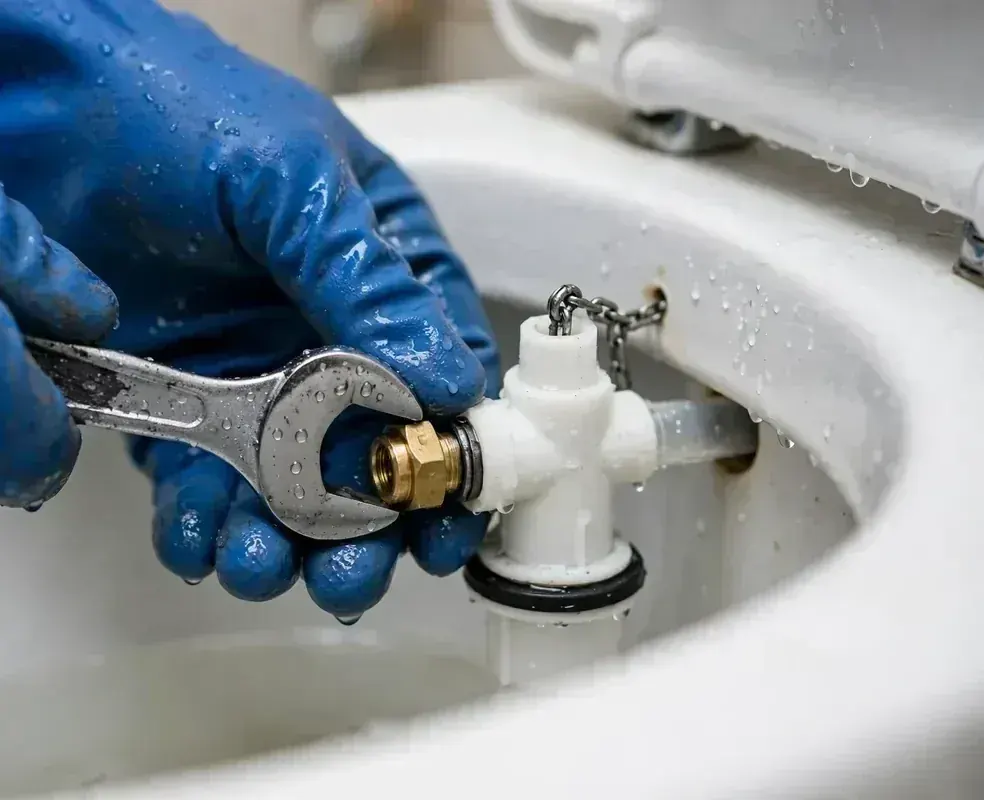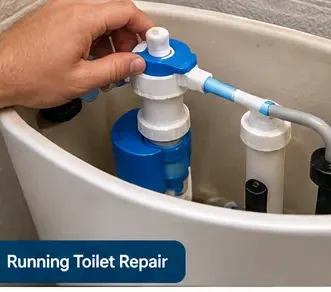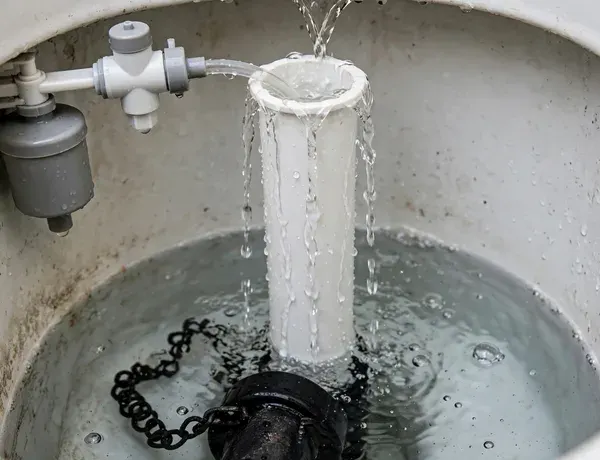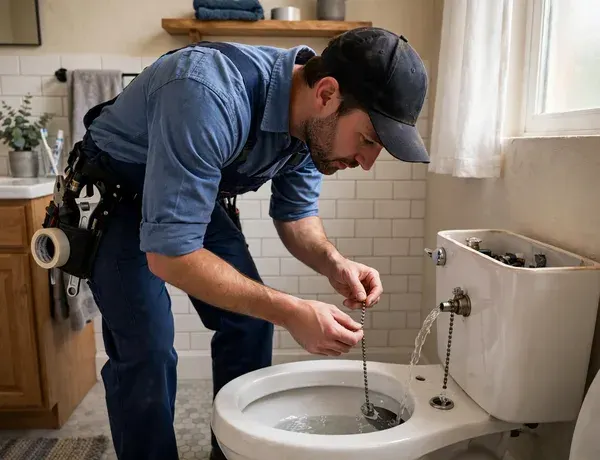
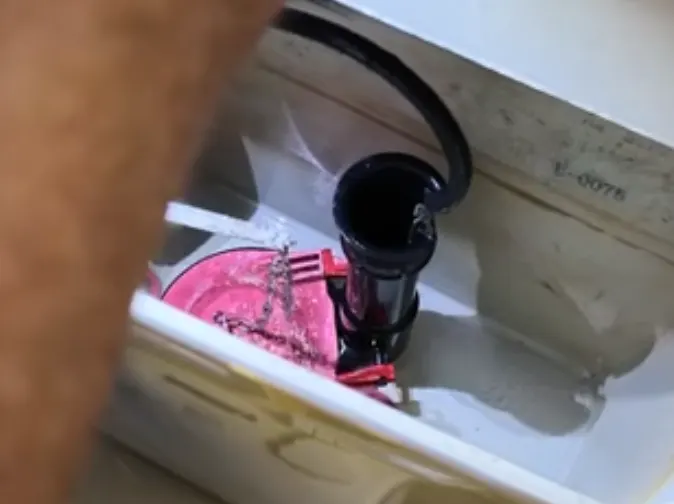
A running toilet wastes water at a rate that surprises everyone the first time they hear it, because the leak is inside the tank where nobody watches it. The water slips past a worn flapper, down into the bowl, and away to the drain, hour after hour, including every hour you are asleep or at work. Here are the numbers, at Fountain Valley's real water price of $4.36 per HCF, one HCF being 748 gallons.
The typical case
A worn flapper that no longer seals lets through roughly 200 gallons a day. That is about 6,000 gallons a month, and the water alone costs around $35 a month. Left for a year, one running toilet sends about 73,000 gallons down the drain, roughly $420 of treated drinking water, for nothing. The full breakdown, including smaller and larger leaks, is on What a Running Toilet Is Costing You, Worked Out Properly.
The range, honestly stated
How many gallons a day does a running toilet use?
About 200 gallons a day for a typical worn flapper. A slow seep can be closer to 100, a badly failed seal around 400, and a stuck-open flapper much more than that.
How much does a running toilet add to the water bill?
At Fountain Valley prices, roughly $35 a month for the typical case, and about $420 over a full year. Sewer charges do not rise, because OC San bills sewer as a flat yearly fee.
- A slow seep past a tired flapper: around 100 gallons a day, roughly $17.50 a month. Quiet, easy to miss, still $200 a year.
- The typical worn flapper: around 200 gallons a day, roughly $35 a month.
- A badly failed seal: around 400 gallons a day, roughly $70 a month.
- A flapper stuck open or a fill valve that never shuts: far more again. These are the cases behind the shocking bill, because the toilet is effectively running a tap into the drain all day.
Why the sewer bill does not rise with it
Homeowners often expect every part of the bill to climb. In Fountain Valley, sewer service from OC San is charged as a flat yearly fee on the property tax bill, not by the gallon. So a running toilet inflates only the water side. That also means the leak does not announce itself in two places, which is one more reason it runs for months unnoticed. The local billing picture is on Fountain Valley Water Facts.
Catching it early is the whole game
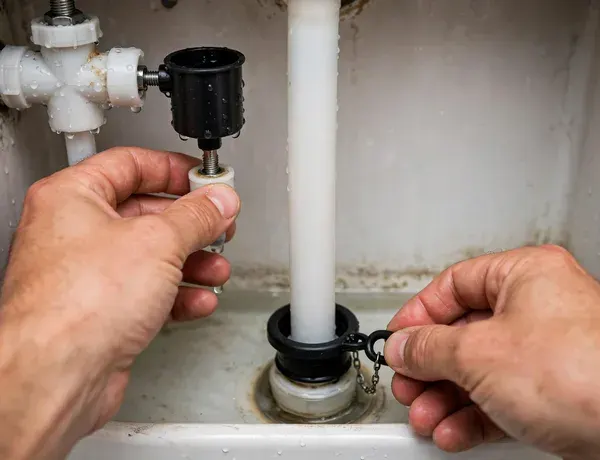
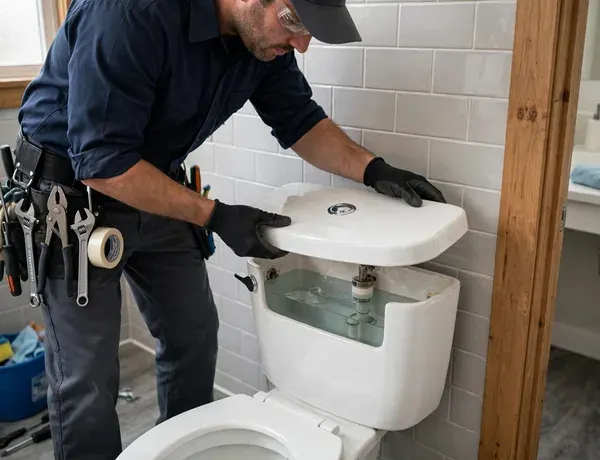
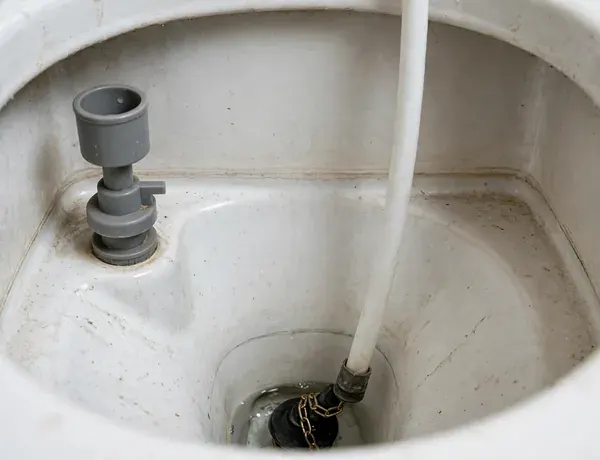
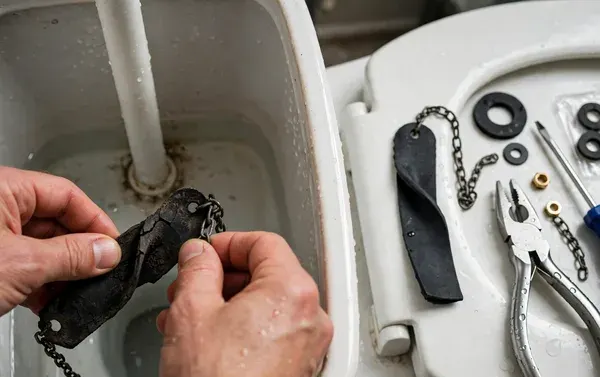
The waste is worst because the fault is small. A running toilet is usually a flapper, one of the least expensive parts on the toilet, described on the flapper guide Toilet Flapper Guide. The expensive version of this repair is the one booked six months late. The signs to listen for are a toilet that refills by itself, a hissing that never quite stops, or phantom flushing, covered on My Toilet Flushes Itself When Nobody Is Near It. If any of those sound familiar, call Toilet Repair Fountain Valley at +1 (657) 359-9352. Open 24/7, and the price is confirmed before work begins.
Related pages
Frequently asked questions
Can a running toilet waste 1,000 gallons a day?
Yes, in the worst mechanical cases, where the flapper cannot close or the fill valve runs continuously. That is no longer a seep; the toilet is passing water at close to its fill rate around the clock.
Is it cheaper to just turn the toilet off at the wall?
That stops the waste but also stops the toilet, and it is a holding move, not a repair. The fault itself is usually a small part. A household with one bathroom cannot run that experiment for long.