When the toilet will not tell you what is wrong
Some toilet problems are obvious. A crack is a crack. But many of the calls we get in Fountain Valley start with a problem that will not sit still. The toilet runs at night but not in the morning. The water bill jumped and there is no water anywhere. The flush is weak one day and fine the next. In a one-bathroom home, guessing wrong means paying for parts you did not need while the real fault keeps doing damage.
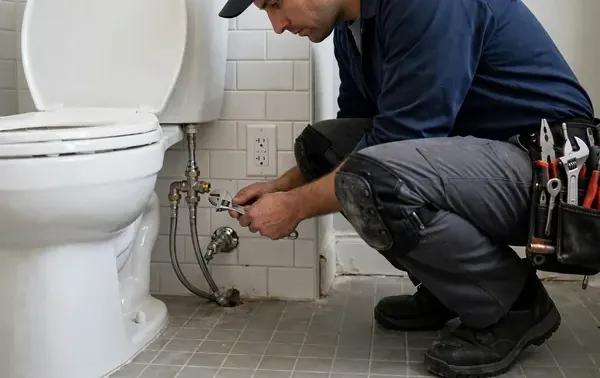
A toilet diagnostic assessment is the visit that finds the cause first. The technician inspects the tank, the bowl and the base, runs the tests that separate one fault from another, and tells you plainly what is wrong, what needs fixing now, and what can wait.
Call +1 (657) 359-9352: open 24/7.
What the assessment checks
How much does a toilet diagnostic assessment cost?
The cost depends on what the visit involves and what is found. A straightforward tank, bowl and base inspection is a small service call. If the assessment leads to a repair, that repair is priced and confirmed with you before work begins. Nothing is replaced on a guess, and you are not charged for parts a test did not point to.
How long does an assessment take?
Most assessments are finished within a single visit. The dye test needs a short wait without flushing, and intermittent faults can take a little longer to reproduce. You will be told what is happening as the checks are done.
Inside the tank
The lid comes off and every working part is checked: the flapper and its seal, the fill valve, the flush valve, the lift chain and its slack, the trip lever, and the water level against the fill line. Sediment in a fill valve, a warped flapper, and a float set too high all hide in plain sight once you know where to look.
The bowl
The flush is watched, not just heard. Water should enter through the rim jets and the siphon jet with force. In Fountain Valley, where the city water quality report puts average hardness at about 195 parts per million, mineral scale slowly closes those jets. A weak bowl is often a scale problem, not a blockage, and the assessment tells the two apart.
The base and the floor
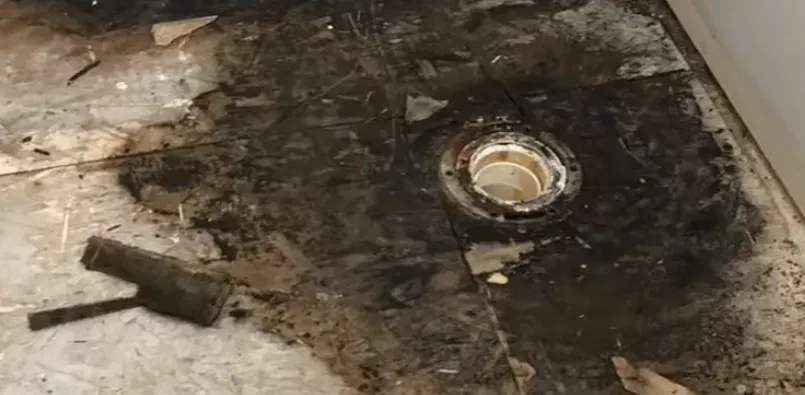
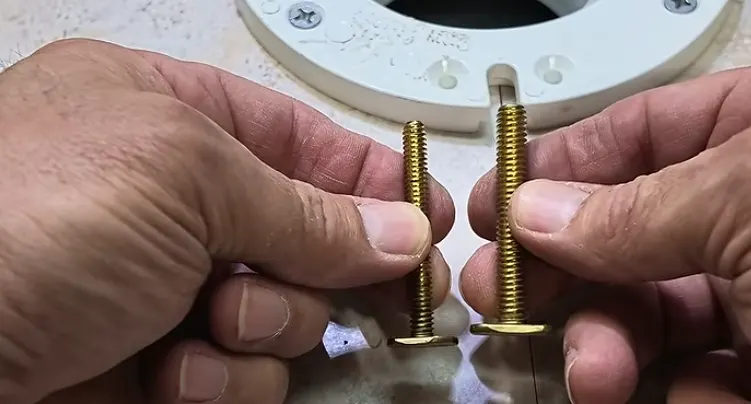
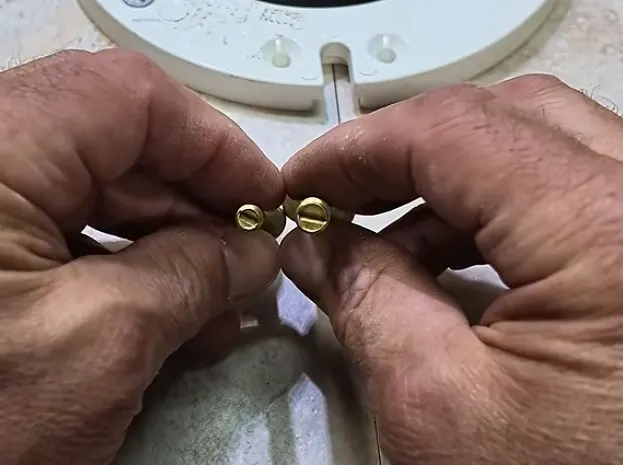
The toilet is checked for rocking, the closet bolts are checked for hold, and the floor around the base is checked for soft spots, staining and moisture. Water pooling at the base points to the wax ring or the flange under the floor. Catching that early is the difference between a wax ring and a floor repair. Read more on the problem page: Toilet Leaking at the Base
The dye test
For leaks you cannot see, dye goes into the tank and the bowl is watched without flushing. Color in the bowl means water is passing the flapper seal. A second check with a dry paper towel around the base and under the connections catches drips that eyes miss.
The porcelain
Tanks and bowls are checked for hairline cracks. A crack in the bowl cannot be patched. Dye in the bowl will show color seeping through the crack itself, and when that is the finding, you will be told straight that the toilet needs replacing, not repairing.
Problems an assessment is built for
- A toilet that runs now and then, with no pattern you can find
- A high water bill and no visible leak anywhere in the house
- A flush that is weak on some days and normal on others
- A faint sewer odor near the toilet that comes and goes. See also There Is a Sewer Smell Around My Toilet
- A toilet in a 1960s or 1970s Fountain Valley home that has never really been checked over
Why intermittent faults need tests, not guesses
A fault that comes and goes is usually a part in the middle of failing. A flapper that seals when it lands one way and leaks when it lands another. A fill valve that sticks only when the water pressure changes at night. A chain that catches under the flapper once in a while. Swapping parts one at a time until the noise stops can cost more than finding the cause, and it can miss the leak that is quietly soaking the subfloor while the tank gets the attention.
The water maths shows why hidden leaks matter here. City water is billed at $4.36 per HCF, and one HCF is 748 gallons. A toilet leaking about 200 gallons a day adds up to roughly $35 a month in water alone. An assessment that finds that leak pays for itself in stopped waste. One honest note: a leaking toilet does not raise your sewer charge, because OC San bills sewer service as a flat yearly fee on the property tax bill.
What you get at the end of the visit
- The cause of the problem, in plain words, with the test that proved it
- What should be fixed now, and what can safely wait
- The price of the repair confirmed with you before any work starts
- The brand and age notes from inside your tank, so the right parts get fitted
If the repair is a tank part, it can often be done on the same visit. If the finding is bigger, a broken flange or a damaged floor, you will know the full scope before anyone lifts the toilet. Related services: Toilet Tank Rebuild in Fountain Valley, CA and Toilet Leak Repair in Fountain Valley, CA
Call +1 (657) 359-9352 to book a toilet diagnostic assessment in Fountain Valley.
Toilet Repair Fountain Valley, 18440 Amistad St, Fountain Valley, CA 92708. Open 24/7. toiletrepairfountainvalleycalifornia.com
Toilet Repair Fountain Valley is a referral service. Calls are routed to a local technician who serves the Fountain Valley area.
How this service works
You describe the symptom
Running, leaking, clogging, noise or a weak flush: what you have seen and heard guides the first tests.
The whole toilet is checked
Flush test, dye test, base and seal check, and the tank parts are inspected one by one, including the parts that are still fine.
Findings explained in plain words
You hear exactly what is wrong, what is still healthy, and what happens if the fault is left as it is.
The repair price is confirmed
You get the full price for the repair and decide. No work starts without your approval.
Related pages
Frequently asked questions
Can you find a leak if there is no water on the floor?
Yes. Many toilet leaks never reach the floor. A flapper leak sends water silently into the bowl, and the dye test shows it. A base leak can send water into the subfloor before anything shows on the tile, which is why the floor around the base is checked by hand.
My toilet only acts up sometimes. Is it worth an assessment?
That is exactly the case an assessment is for. Faults that come and go are usually a part partway to failing, like a flapper that only seals when it lands right. Finding it early is cheaper than waiting for it to fail at night or soak a floor.
Do I have to go ahead with the repair after the assessment?
No. You get the findings and the confirmed price, and the decision is yours. If you want time to think, the assessment still leaves you knowing what the problem is and how urgent it is.
Can an assessment tell me if my toilet is too old to repair?
Yes. If the porcelain is cracked, or the toilet is an old high-volume model whose parts keep failing, you will be told that replacement makes more sense than repair, and why. The brand and age stamped inside the tank are part of the check.