The flapper is a small part with a big job. It seals the tank after every flush, hundreds of times a month. When it stops sealing, the toilet runs, refills on its own, and sends treated water down the drain around the clock. In Fountain Valley, where city water costs $4.36 per HCF (748 gallons), a flapper leaking about 200 gallons a day adds roughly $35 a month to the water bill, for water alone. It does not raise your sewer charge, because OC San bills sewer as a flat yearly fee on the property tax bill.
What a flapper does, in one flush
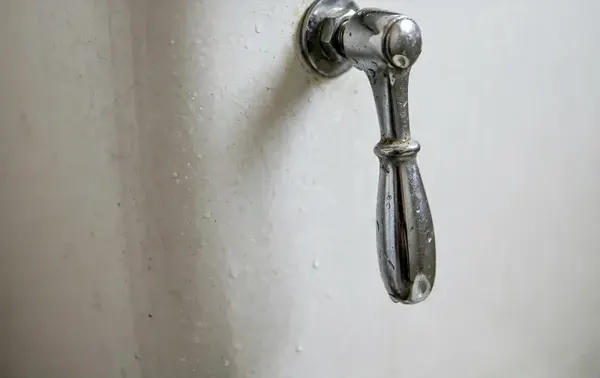
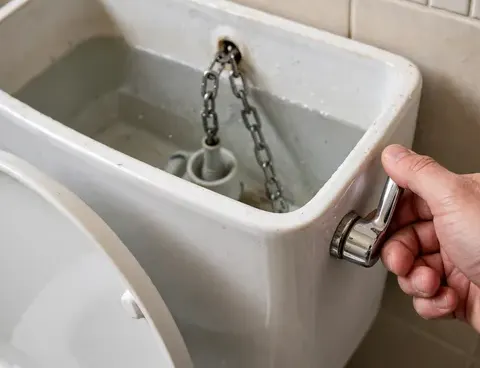
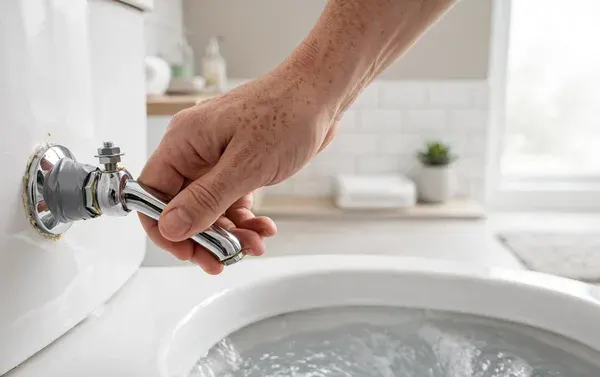
You press the handle. The handle lifts the chain, the chain lifts the flapper, and tank water rushes through the flush valve into the bowl. The flapper floats for a few seconds, then settles back onto the flush valve seat as the tank empties. The fill valve refills the tank, the flapper holds the water in, and the toilet sits quiet until the next flush. If the toilet makes refilling sounds when nobody has flushed, the flapper seal is the first suspect.
The dye test: how a flapper leak is proved
How long does a toilet flapper last?
It depends on the water and what sits in the tank. Hard water and chlorine from drop-in tablets shorten its life. It is judged by the dye test and by its look and feel, not by age alone.
How do I know if the flapper or the fill valve is at fault?
The dye test separates them. Colour in the bowl without flushing points at the flapper or flush valve seal. Water running down the overflow tube, or a tank that overfills, points at the fill valve and its level setting.
Guessing wastes parts. The proof is the dye test: dye tablets, or a few drops of food colouring, go into the tank, the toilet is left unflushed for ten minutes, and the bowl is checked. Colour in the bowl means water is passing the flapper seal. No colour means the leak is elsewhere, and a new flapper will not fix it. It is the test a technician runs first, because it separates a flapper fault from a fill valve fault before any part is changed.
Wear signs
- Colour fade. A new flapper is a deep, even colour. A worn one looks washed out and pale. Colour loss on its own is a fair sign the material is tired.
- Warping and stiffness. A healthy flapper is soft and sits flat on its seat. A worn one curls or waves at the sealing face, or turns stiff, and then it cannot seal.
- Slime and mineral crust. Hard water and tank grime leave a rough coat that breaks the seal in small spots.
- You can hear it. Phantom flushing, where the toilet tops itself up every so often, is the sound of a flapper leaking slowly.
The chlorine problem nobody warns you about
Drop-in cleaning tablets that sit in the tank keep the water full of chlorine between flushes. Chlorine eats flapper rubber. Homes that use those tablets often go through flappers again and again, and the parts get the blame. A chlorine-resistant flapper, made from material that stands up to treated water, is the longer-lasting fit in a tank that uses tablets, and cleaning aimed at the bowl instead of the tank is kinder to every part in it. Bleach in the tank does the same damage to gaskets and plastic parts over time.
Sizes: 2-inch and 3-inch
The size split follows the flush valve opening:
- 2-inch fits most standard toilets and most universal kits.
- 3-inch fits many newer high-flow models and some older brand toilets.
Brands differ. Korky and Fluidmaster both make flappers in both sizes, and brand-specific toilets from Kohler, American Standard, Gerber, Mansfield and others sometimes need the flapper made for that flush valve. The surest match is the old flapper itself, compared side by side with the new one. A flapper one size out will leak from the first day.
Some toilets, including older Sterling models, use a float-style flapper instead of the standard cap style. Where the old flapper carries a float, the replacement matches that style.
Adjustable dial flappers
Many universal flappers have a small dial or air hole on the body. It controls how much air stays trapped inside the flapper, which controls how long the flapper floats before it drops. Set right, the toilet clears the bowl in one flush. Set wrong, the flapper drops early, the flush is weak, and waste stays behind. A weak flush on a new flapper often traces back to that dial setting rather than to the flapper itself. There is no single setting that suits every toilet, so the dial is set and tested on the toilet it serves.
The chain setting, and why it matters
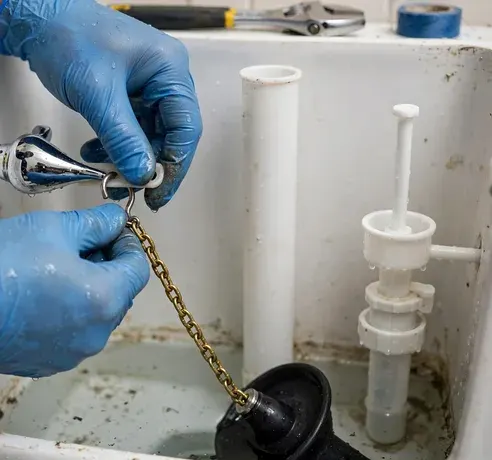
When a flapper is fitted, the water is shut off at the angle stop behind the toilet and the tank is drained. The flapper clips onto the pegs of the flush valve, and the chain is set: taut with the flapper seated, plus one link of slack. That one link is the step that decides whether the repair holds. A chain set too short holds the flapper up and the toilet runs. A chain set too long can slip under the flapper and hold it open, and it also gives a lazy flush. The old flapper's chain length is the guide, because it was already set for that toilet. After fitting, the toilet is tested over several flushes, and tested again after about ten minutes, because a flapper can shift a little in the first fills.
When a new flapper does not fix the running
- The flush valve seat is pitted or rough, so no flapper can seal on it. A seat that feels like sandpaper to a fingertip means the flush valve itself needs work, and that means the tank comes off.
- The chain setting is off, as covered above.
- The water level is set too high and water runs down the overflow tube. That is a fill valve setting, not a flapper fault. See Toilet Fill Valve Guide
For a full parts overview, go back to Toilet Parts and Repair Kits
If the running comes back after a flapper swap, or the job has grown past the tank, call Toilet Repair Fountain Valley at +1 (657) 359-9352. Open 24/7.
Related pages
Frequently asked questions
Can I replace a flapper without turning the water off?
The water is turned off at the angle stop behind the toilet and the tank drained before a swap. Working with the water live is messier, and a slipped part can mean a flood. The shut-off is part of the job, not an optional extra.
Why does my toilet flush twice or need the handle held down?
The flapper is dropping too early. Causes include a dial set wrong on an adjustable flapper, a chain with too little lift, or a waterlogged flapper that has lost its float.
Which flapper brand should I buy?
Size and style come first: the flapper has to match the flush valve. Korky and Fluidmaster are the common makes on local shelves, and both make standard and chlorine-resistant models. Fit matters more than the name on the box.