A standard toilet bowl stands roughly at the height of a low stool. A comfort height toilet, also sold as chair height, raises the bowl so the seat sits closer to the height of an ordinary dining chair. The difference is only a couple of inches, but those inches decide how easy a toilet is to sit down on and, more importantly, to stand up from. In Fountain Valley, comfort height is one of the most common reasons an otherwise working toilet gets replaced: the toilet did not fail, the household changed.
Who it suits
The taller bowl reduces how far the knees and hips have to bend. That helps taller people, whose legs are long for a standard bowl. It helps older homeowners, for whom standing up from a low seat is the hardest move in the bathroom. It helps anyone recovering from a hip or knee procedure, and households planning ahead, where a bathroom being remodeled now is quietly being made ready for the next twenty years. Given that the median Fountain Valley home was built in 1972 and many owners are aging in the houses they bought decades ago, comfort height questions arrive constantly, and they are sensible questions.
Who should think twice
How much taller is a comfort height toilet?
In general terms, the seat sits at about the height of a standard chair, a couple of inches higher than a traditional toilet bowl. That small difference is what makes standing up easier on knees and hips.
Can my existing toilet be raised to comfort height?
Not properly. The height is cast into the porcelain, so moving to comfort height means replacing the toilet. The floor plumbing stays where it is, which keeps the job a standard installation.
A taller bowl is not better for everyone. Shorter adults and children use the toilet too, and a seat that leaves a shorter person's feet dangling is its own discomfort, and a genuine problem for a child. Households split between tall and short users sometimes compromise on the standard height for the shared bathroom and comfort height for the primary one. There is no rule to apply here, only the honest test: the people who use the toilet every day should find sitting and standing natural, and a showroom sit-down is worth more than any measurement on a box.
What changes in replacement
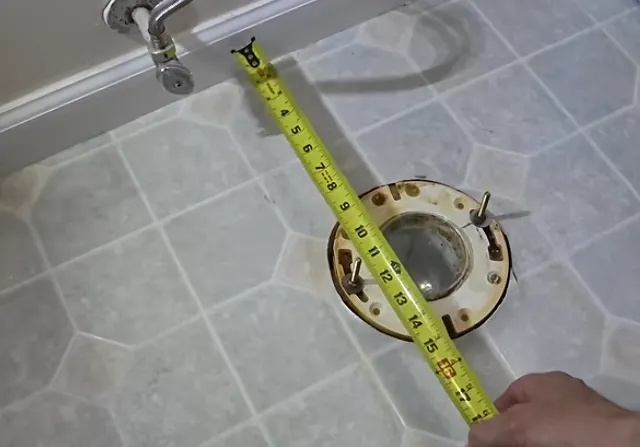
Changing bowl height is a replacement, not an adjustment: the height is in the porcelain, and no part raises an existing toilet's bowl to chair height in any lasting, proper way. The good news is that the plumbing underneath does not care. The floor flange, the water supply, and the drain are in the same places for a comfort height toilet as for a standard one, so the swap is a normal installation job, covered on New Toilet Installation and Replacement in Fountain Valley. The seat height is also worth checking against any grab bars or fittings already in the bathroom, so the room ends up consistent rather than nearly consistent.
Comfort height models exist across the brands, American Standard, Kohler, TOTO, and others all sell them, and across the constructions too: there are one-piece and two-piece comfort height toilets, a comparison covered on One-Piece vs Two-Piece Toilets. Height is one decision; piece count is another.
What changes in repair
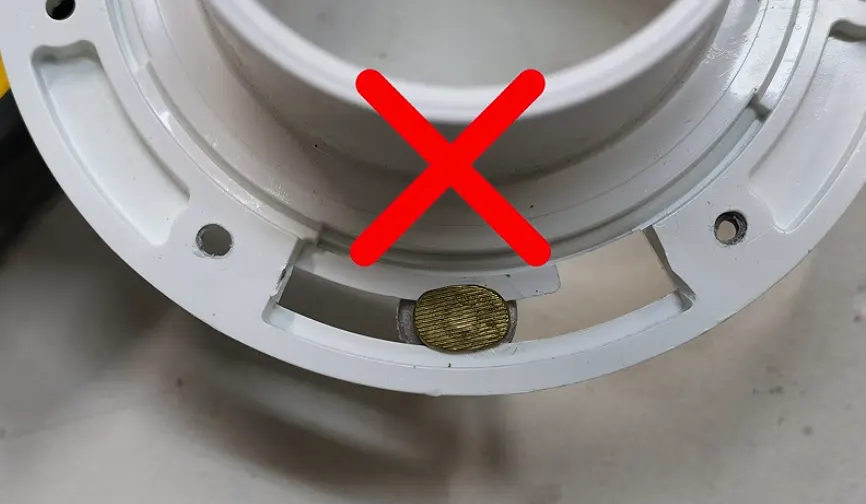
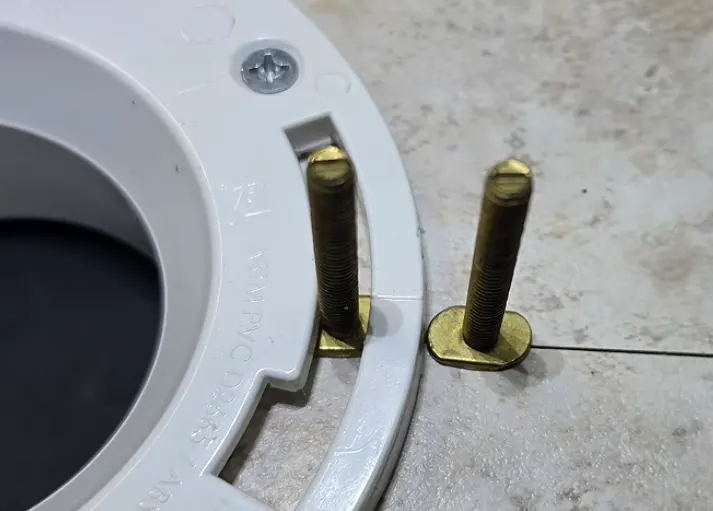
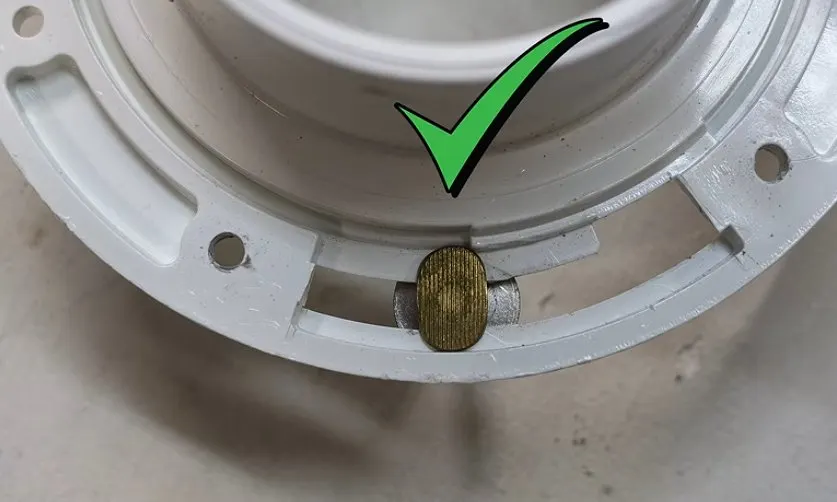
Very little, which surprises people. A comfort height toilet is a normal toilet that stands taller. Inside the tank are the same families of parts: flappers or canisters, fill valves, handles, and seals, subject to the same wear and to the same local enemy, Fountain Valley hard water at 195 ppm crusting the rim jets and valves over time. A running comfort height toilet wastes the same roughly 200 gallons a day, about $35 a month at $4.36 per HCF, as any other running toilet, and it is diagnosed and repaired the same way. The parts are named on Parts of a Toilet. The only repair note is practical: tank internals are matched to the model as with any toilet, and some tall models are also skirted designs whose smooth sides change how the mounting bolts are reached, which a technician handles as part of the job.
Comfort height and water use
Height says nothing about water. Comfort height models are modern toilets and flush at the California standard of 1.28 gallons or below, many of them at the more efficient end. For a household replacing an old standard-height toilet from before 1994 that uses 3.5 to 7 gallons a flush, the change to comfort height usually comes with a large water saving as a side effect, and replacing a 1.6 gallon or larger toilet with a qualifying model using 1.1 gallons or less can draw the $40 SoCal Water$mart rebate. Where the main bathroom serves an older homeowner and the second bathroom serves grandchildren, the two rooms often end up at different heights and different efficiencies, and that is a perfectly reasonable outcome.
If you are weighing a taller toilet for your home, or your comfort height toilet needs repair, call Toilet Repair Fountain Valley at +1 (657) 359-9352. Open 24/7, and the price is confirmed before any work begins.
Related pages
Frequently asked questions
Is comfort height bad for children?
It can be awkward for small children and shorter adults, whose feet may not rest flat. Many families keep a standard height toilet in the bathroom children use most.
Do comfort height toilets cost more to repair?
No. The internal parts are the same families as any toilet, matched to the model. Height changes the porcelain, not the repair economics.
Does comfort height meet accessibility needs?
Chair height bowls are a step in the right direction for many people, and they are often chosen in bathrooms planned for aging or limited mobility. A full accessibility layout involves more than the toilet, and an installer can talk through the room as a whole.